About the Venue and Leuven
All conferences are within easy reach from the city center (day 1-3) on foot or by a short public transport ride to the UZ-KU Leuven Health Sciences Campus Gasthuisberg (day 4).
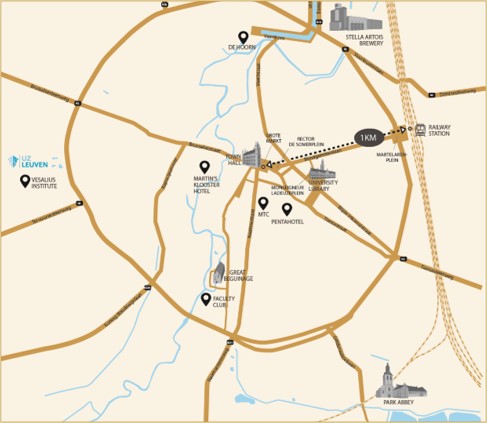
The conference venue (day 1-3)
The Symposium will take place at the Maria-Theresiacollege (Sint-Michielsstraat 6 | 3000 Leuven).
Maria-Theresia College is situated in the city centre of Leuven, a dynamic, vibrant city in the centre of Belgium. The city’s beautiful, charming centre, which dates from the Middle Ages, is punctuated with stately colleges and historic buildings constructed over centuries by and for the university. Cultural and recreational opportunities abound. Leuven’s concentration of intellectual capital, its excellent infrastructure and its convenient location in the heart of Europe create an exciting and creative climate for research and innovation.
Please note that the wheel chair entrance is via Sint-Michielsstraat 2 | 3000 Leuven.
Locate the venue through Google maps via this link.
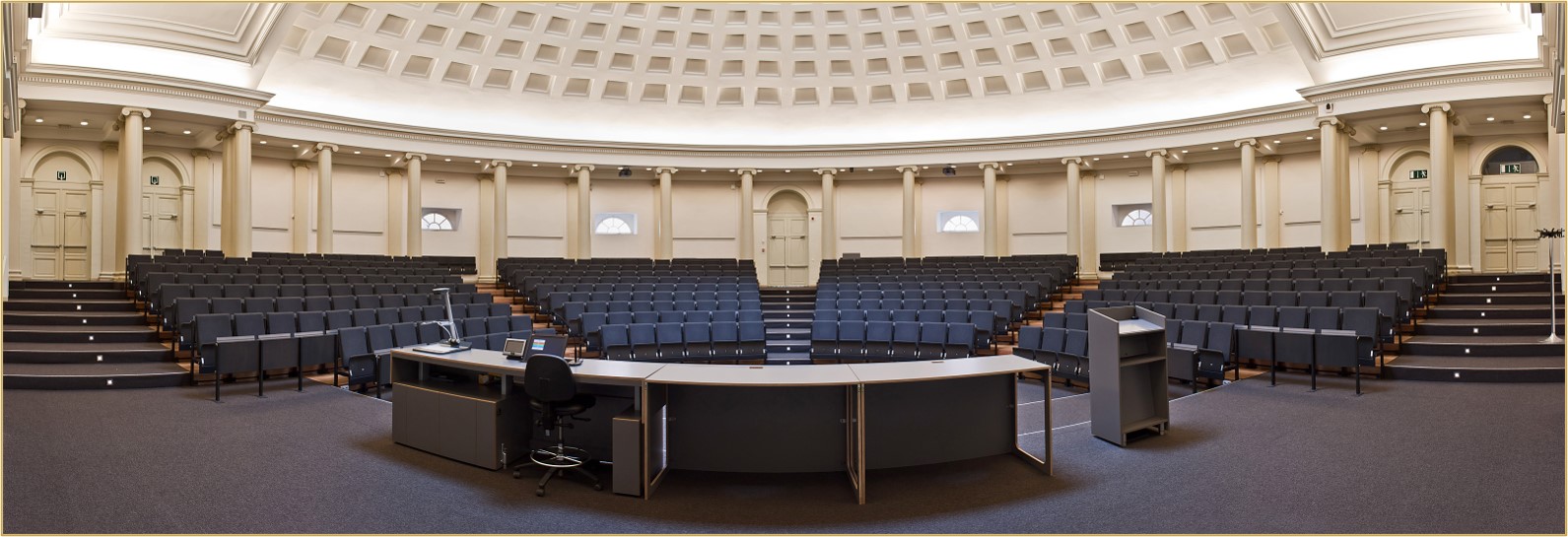
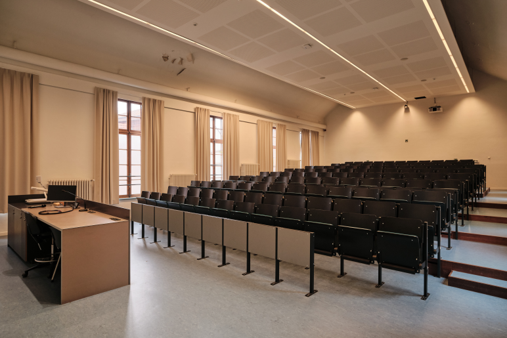
Postgraduate course (day 4)
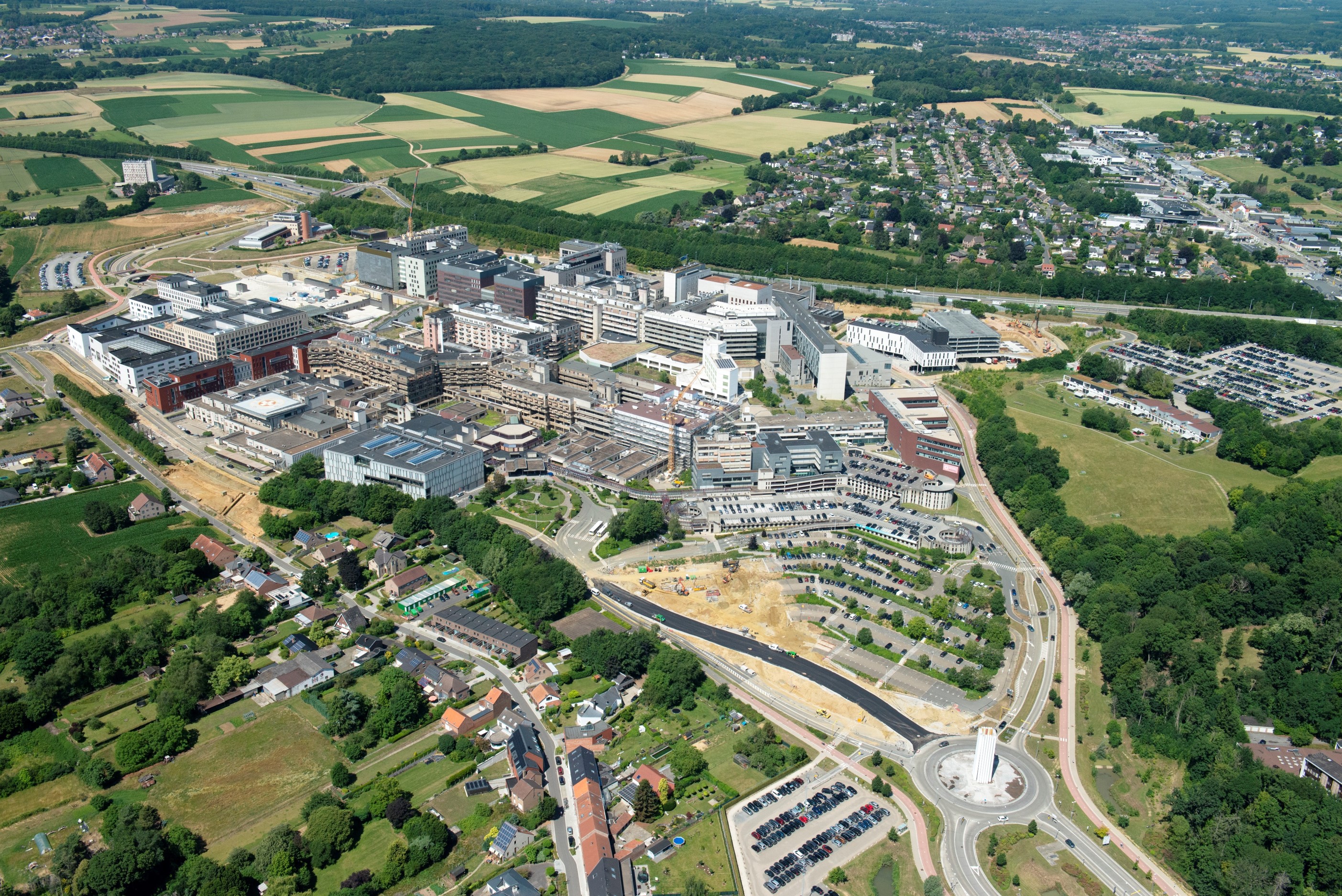
The postgraduate course and skills lab will be held at the University Hospitals - KU Leuven Health Sciences Campus, also known locally as 'Gasthuisberg' (also as referenced to on the public transport signs), one of the largest medical tech campi in Flanders.
The 'Masters@Work' expert video sessions wil be held in Auditorium Orchidee, in the administrative building of the hospital.
The skills lab will be hosted at the 'Vesalius' Institute of the Anatomical skills lab of the KU Leuven, also situated on the campus.
Closer to the conference, participants will receive further guidance on how to reach the campus area and to the auditoria.
Social activities
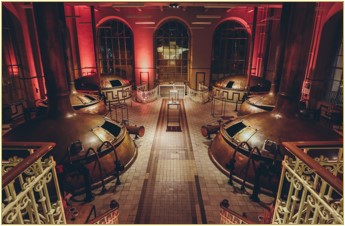 The welcome reception will be held in the de Hoorn event venue, which used to be the old brewery of Stella Artois.
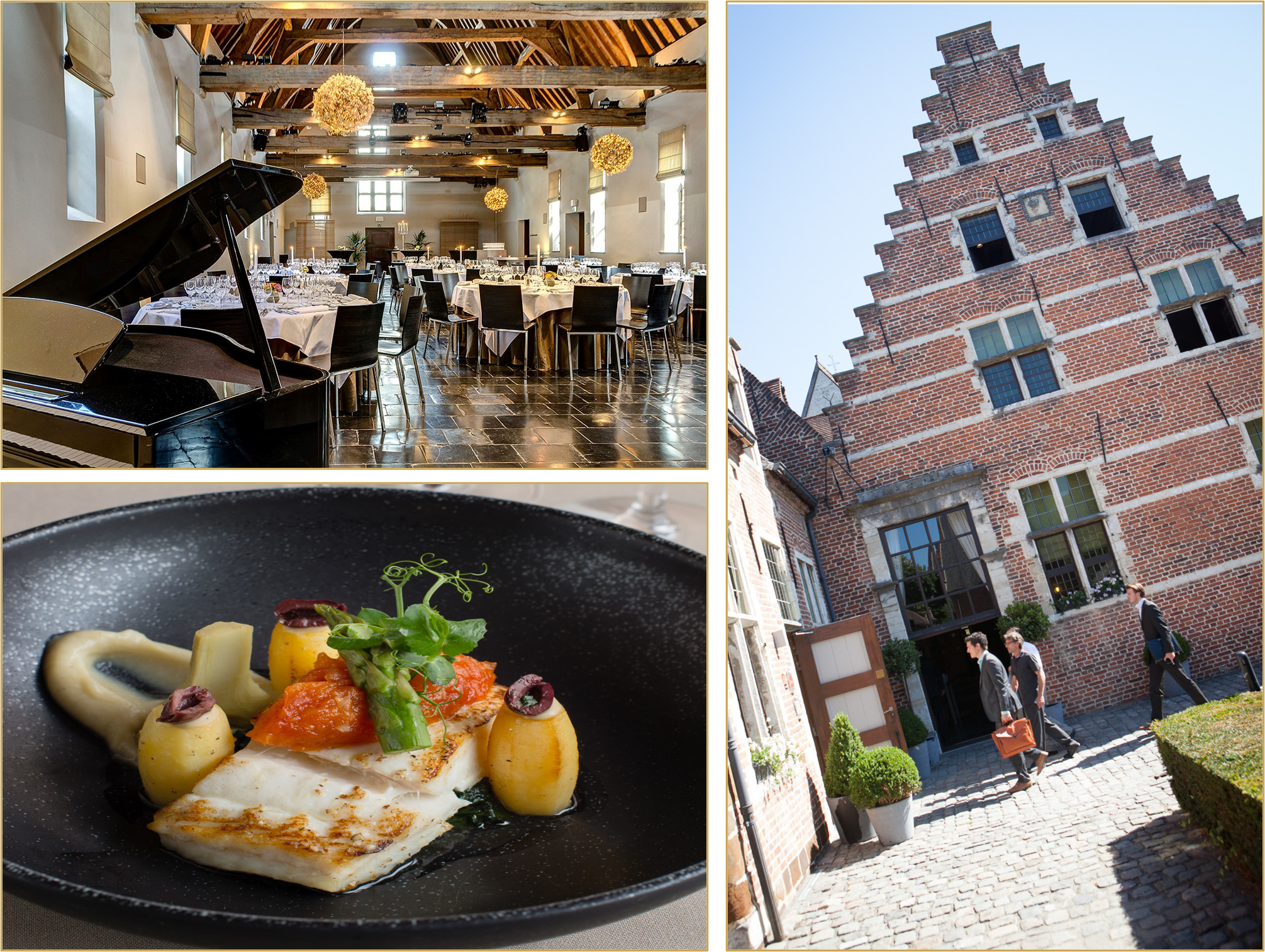 The conference diner will take place in the Faculty Club, within the UNESCO recognised Grand Beguinage quarter of the city.
The city
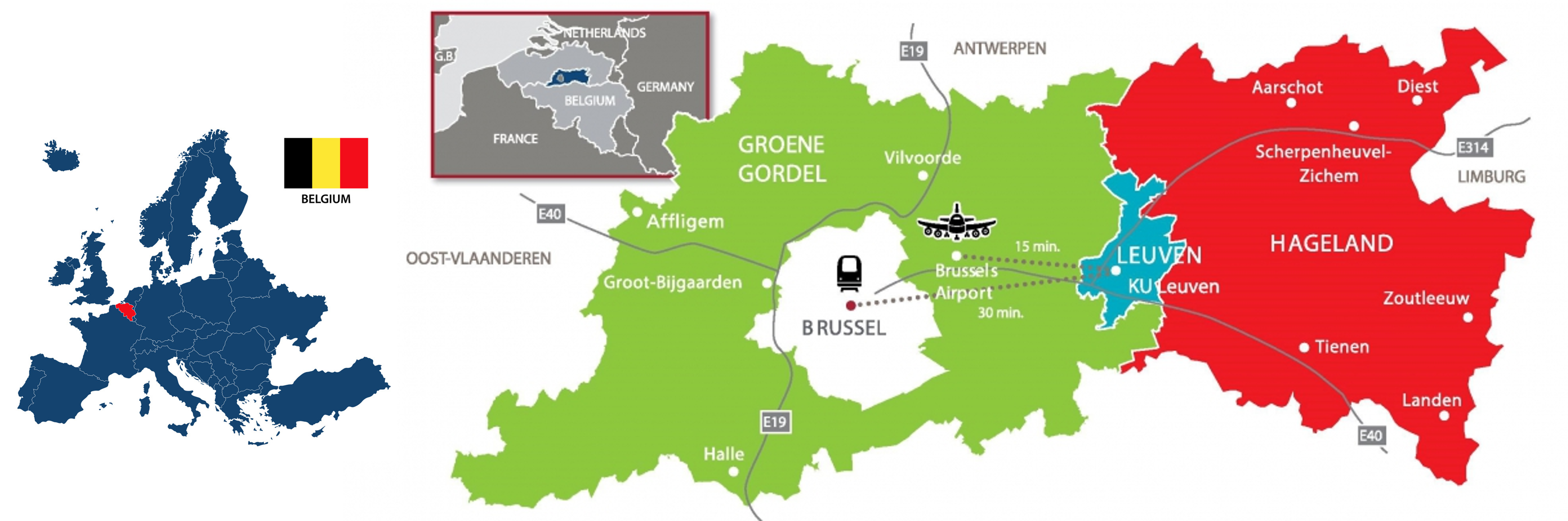
Since its founding, KU Leuven University has been based in the city that shares its name. Leuven is a pleasant, safe and bustling student town, where centuries-rich history meets cutting-edge science. The city of Leuven is located in the Dutch-speaking northern part of Belgium, approximately 25 kilometres east of Brussels. Leuven is the capital of the province of Flemish Brabant in Belgium and has nearly 100.000 inhabitants.
There are several good reasons for visiting this vibrant city. More information about the city and must-see places when you visit can be found on the official Tourism Leuven site. You will soon realise that this city has a way of getting under your skin. For more information on Leuven, please click here.
The University
Situated in Belgium, in the heart of Western Europe, KU Leuven has been a centre of learning for nearly six centuries. Founded in 1425 by Pope Martin V, KU Leuven bears the double honour of being the oldest extant Catholic university in the world and the oldest university in the Low Countries. Today, it is Belgium’s largest university. As a leading European research university and co-founder of the League of European Research Universities (LERU), KU Leuven offers a wide variety of international master’s programmes, all supported by high-quality, innovative, interdisciplinary research. The university also offers degree programmes at campuses in 11 Belgian cities, including Brussels, Ghent and Antwerp.
Travel to Leuven
By plane
Belgium is the heart of Europe. Belgium’s capital, Brussels, is accessible through many flight and train connections. Big European cities like London, Paris, Amsterdam or Berlin are close by. Scheduled flights to Brussels airport come from over 200 European and international destinations in 66 countries, allowing 500 million European inhabitants to reach us in less than 3 hours. The two airports closest to Leuven are:
- Brussels National Airport (Zaventem) – BRU – Belgium: This is Belgium’s main airport, located only 20 minutes from Leuven city centre. There is a direct rail connection from the airport’s own train station (“Brussels National Airport”) to Leuven. The train station is located underneath the airport and is accessible through lifts and escalators in the arrivals hall. Several car hire companies also operate from Brussels Airport. For more information, visit these websites: www.brusselsairport.be and www.belgianrail.be.
- Brussels South Airport (Charleroi) – CRL – Belgium: Leuven is a 1.5-hour train ride from Brussels South Charleroi Airport. Several car hire companies also operate from Charleroi Airport. For more information, visit this website. (https://www.brussels-charleroi-airport.com/en)
By train
- From Leuven, it takes half an hour to reach Brussels South (Bruxelles Midi, Brussel Zuid) railway station. From there, you can catch high-speed rail connections to Paris, London, Amsterdam, Vienna and many other European destinations. The Leuven railway station is directly connected to the city centre via the Bondgenotenlaan (Allies Avenue), one of Leuven’s main streets. The walk from the station to the city centre is approximately 10 minutes.
By car
- Leuven can be reached via the Brussels Ring and the E40 and E314 motorways. The historical center of Leuven is traffic-free. The rest of the city center is subdivided into 5 districts. In each district a loop directs traffic from the ring road to a city center parking garage and back to the ring road. We advise you to park your car in one of the more advantageous ring road car parks. Public transport buses drive regularly from the car parks to either the city center or the train station.More information about car parks in Leuven can be found here. (https://leuven.be/en/parking-leuven-0 )
By bus
- An extensive bus network provides extra mobility within the city boundaries of Leuven.
- The bus stop closest to the conference venues is Rector De Somerplein.
On foot
- Leuven is a small-sized city, all locations are within walking distance. One of the most sustainable and healthy cities in Europe with traffic-free zones and outstanding cycling infrastructure.
- Get your free city map here or at Visit Leuven, Naamsestraat 3, Leuven.